


WELCOME TO OUR NEW WEBSITE1
Posted on 22-09-2026
Welcome to Our Brand New E-Commerce Website!
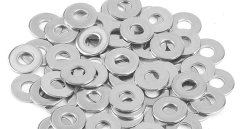
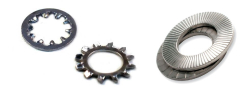
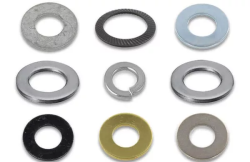
Washers are broadly categorised into three main types based on their function: plain, spring, and locking. They are essential for distributing load, preventing loosening from vibration, and protecting surfaces.
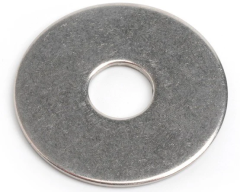
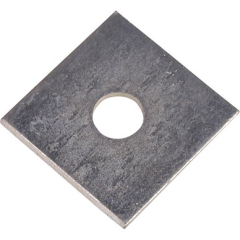
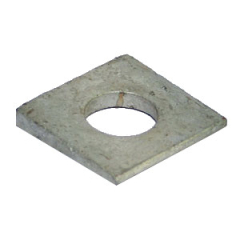
Plain (Flat) Washers
Their primary job is to spread the fastener's load over a wider area to prevent damage to the material being joined.
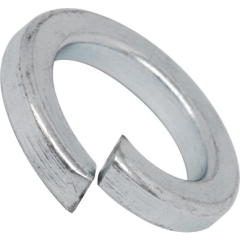
Spring Washers
These act like a spring under compression to maintain consistent tension, which helps prevent loosening due to vibration or thermal expansion.
Locking Washers
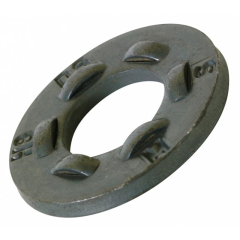
Specifically designed to "lock" a fastener in place through mechanical resistance or increased friction.
Common Materials & Their Uses
The material choice depends on the environment where the fastener will be used:
Lorem ipsum dolor sit amet, consectetur adipiscing elit. Mauris euismod ultrices accumsan. Nullam congue nunc ipsum, ut aliquam elit bibendum eu. Vivamus malesuada nulla nec eros scelerisque lacinia. Nullam vestibulum ornare est. Nulla eget mollis tellus, ut fringilla risus. Morbi malesuada, ante eget posuere sagittis, velit enim pretium libero, eget interdum lacus ipsum a nisi. Maecenas metus ex, finibus id sem sed, placerat posuere arcu. Curabitur non ante sit amet felis tincidunt interdum sed ut velit.