



WELCOME TO OUR NEW WEBSITE1
Posted on 22-09-2026
Welcome to Our Brand New E-Commerce Website!
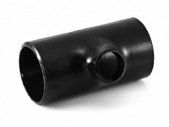
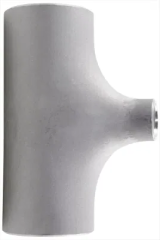
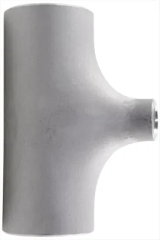
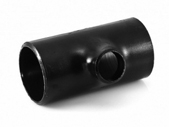
A buttweld reducing tee is a type of pipe fitting used to create a branch connection that is smaller in diameter than the main pipeline run.
It provides a permanent, high-integrity, and leak-proof connection for splitting or diverting flow in high-pressure industrial piping systems.
Key Features and Applications
Materials and Standards
Buttweld reducing tees are manufactured from various materials to suit specific applications and adhere to strict industry standards.
Lorem ipsum dolor sit amet, consectetur adipiscing elit. Mauris euismod ultrices accumsan. Nullam congue nunc ipsum, ut aliquam elit bibendum eu. Vivamus malesuada nulla nec eros scelerisque lacinia. Nullam vestibulum ornare est. Nulla eget mollis tellus, ut fringilla risus. Morbi malesuada, ante eget posuere sagittis, velit enim pretium libero, eget interdum lacus ipsum a nisi. Maecenas metus ex, finibus id sem sed, placerat posuere arcu. Curabitur non ante sit amet felis tincidunt interdum sed ut velit.