
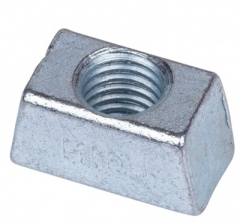
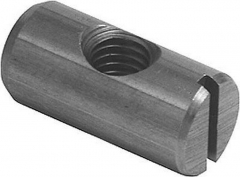
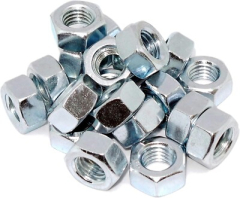

In the fastener trade, nuts are internally threaded components designed to mate with bolts or screws. Here is a summary of the most common types:
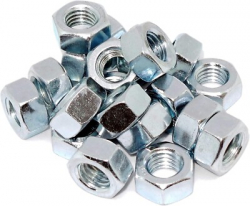
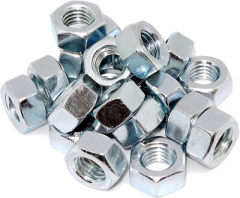
- Hex Nuts: The standard six-sided nut used for general-purpose applications.
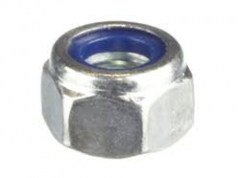
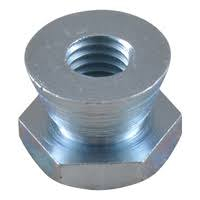
- Locking Nuts: A broad category designed to prevent loosening under vibration. This includes Nyloc (nylon insert) nuts, all-metal distorted thread nuts (like Stover or Prevailing Torque), and serrated flange nuts.
- Wing Nuts: Designed with two "wings" for hand-tightening and removal; common in applications requiring frequent adjustments.
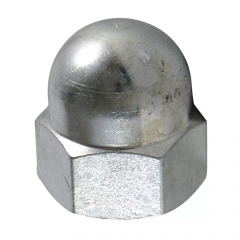
- Dome (acorn) Nuts: Domed nuts that cover the end of the bolt for a finished look and to prevent snagging on sharp threads.
- Flange Nuts: Feature a wide, integrated washer-like base to distribute pressure and bridge oversized or irregular holes.
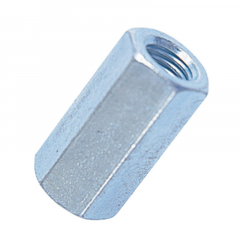
- Coupling Nuts: Extra-long hex nuts used to join two pieces of threaded rod together.
- Tee Nuts: Used for wood or composite materials, these feature prongs that dig into the surface to provide a flush, threaded anchor.
- Castle (Slotted) Nuts: Used with a cotter pin and a hole-drilled bolt to mechanically lock the nut in place; common in automotive axles.
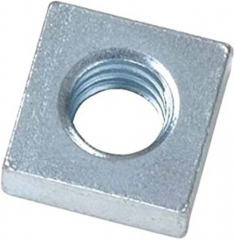
- Square Nuts: Primarily used in the roofing trade with roofing bolts (mushroom head bolts); their flat, four-sided design provides a large surface area that prevents the nut from spinning against the material when tightened.