


WELCOME TO OUR NEW WEBSITE1
Posted on 22-09-2026
Welcome to Our Brand New E-Commerce Website!
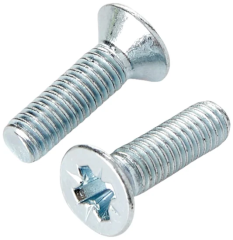
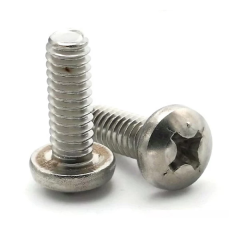
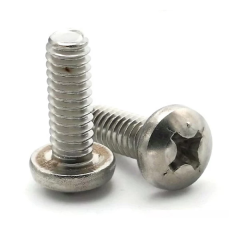
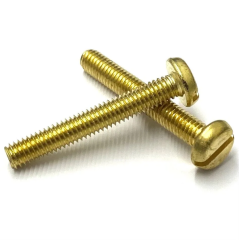
Machine screws are threaded fasteners with a blunt tip and uniform diameter, designed for precise, secure connections in machinery, electronics, and various assemblies.
They are typically used with a pre-tapped hole or a nut and are available in various materials, head types, and drives.
Materials and Finishes
Machine screws are crafted from a range of materials, each offering specific benefits.
Head Types and Drive Systems
The choice of head type and drive depends on the application's torque requirements and desired finish.
Drive Systems: Common drive types are:

Lorem ipsum dolor sit amet, consectetur adipiscing elit. Mauris euismod ultrices accumsan. Nullam congue nunc ipsum, ut aliquam elit bibendum eu. Vivamus malesuada nulla nec eros scelerisque lacinia. Nullam vestibulum ornare est. Nulla eget mollis tellus, ut fringilla risus. Morbi malesuada, ante eget posuere sagittis, velit enim pretium libero, eget interdum lacus ipsum a nisi. Maecenas metus ex, finibus id sem sed, placerat posuere arcu. Curabitur non ante sit amet felis tincidunt interdum sed ut velit.